
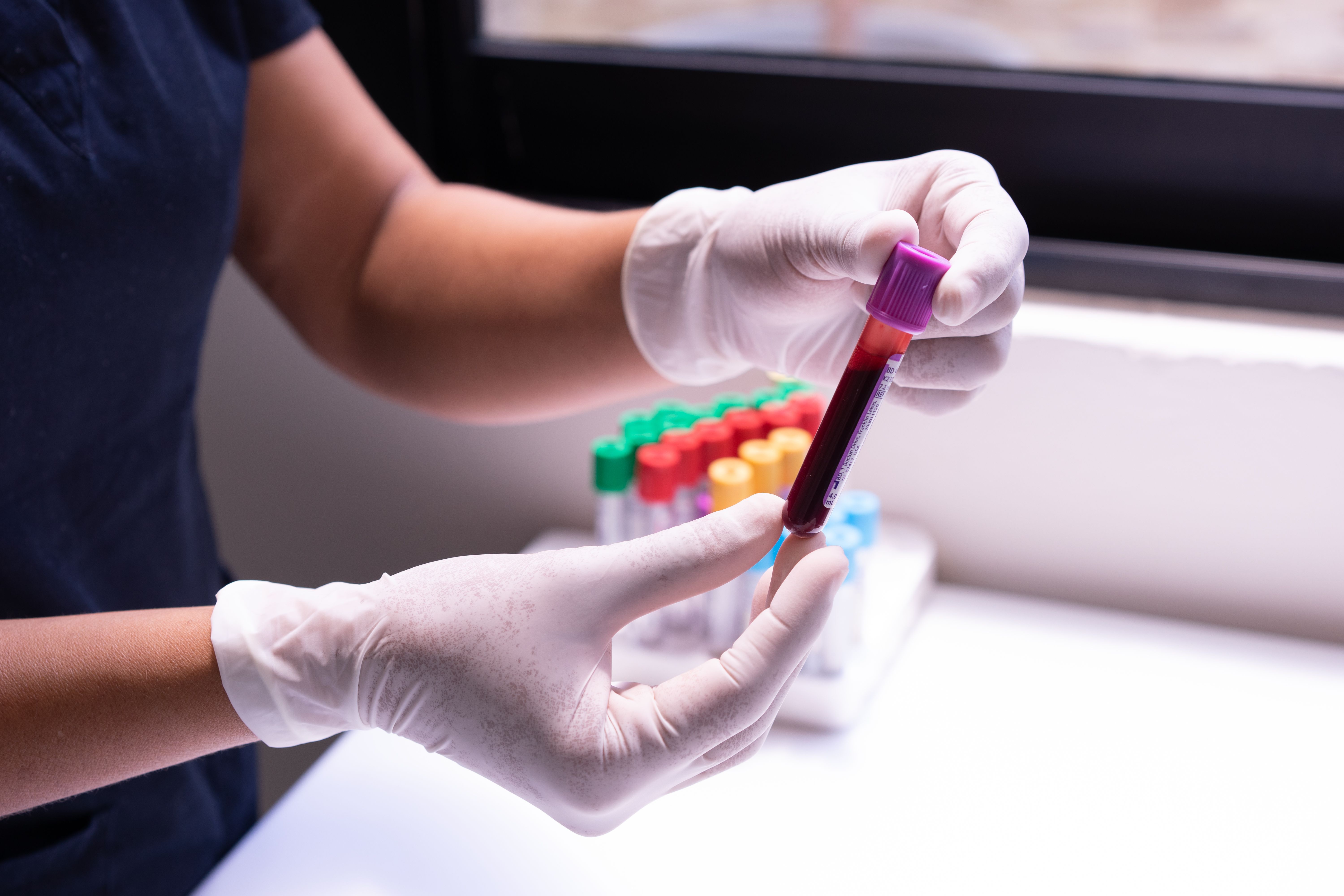
"Should I fast before my blood test?" is one of the most common questions patients ask before a lab visit. The answer depends entirely on which test you're getting — and getting it wrong can throw off results enough to require a repeat visit, adding an unnecessary delay to your diagnosis or treatment plan. This guide walks through exactly which tests need fasting, how long, what counts as "breaking" a fast, and how to make the process as easy as possible.
Why does fasting matter for accurate results?
When you eat, your body absorbs glucose, fats, and other nutrients directly into your bloodstream — sometimes within minutes. For tests that measure these exact substances, like blood sugar and cholesterol, a recent meal can temporarily push levels higher than your true baseline. A fasting period simply removes that variable, so the number on your report reflects your body's stable, resting state rather than a temporary spike from your last meal. This is why fasting instructions exist for specific tests rather than blood tests in general.
Which tests usually require fasting?
- Fasting Blood Sugar (FBS) — measures glucose after a fasting period, so eating beforehand directly skews the result
- Lipid Profile (cholesterol, triglycerides) — food, especially fatty meals, can temporarily raise triglyceride readings
- Some Liver and Kidney Function Test panels, if bundled with fasting sugar or lipid tests
- Certain specialised metabolic panels, as specifically advised by your doctor
Which tests usually don't require fasting?
- Complete Blood Count (CBC)
- Thyroid tests (TSH, T3, T4)
- HbA1c (average blood sugar over ~2–3 months)
- Vitamin D and Vitamin B12
- Most infection markers, such as CRP, ESR, and Widal test
Always follow the specific instruction from your doctor or the lab — if in doubt, call ahead and ask before your appointment.
How long is a typical fast?
For most fasting blood tests, 8 to 12 hours without food is standard — which is why an early-morning appointment after an overnight fast is the most convenient option for most people. Fasting longer than advised isn't necessarily better and can occasionally affect results too (very prolonged fasting can itself alter some readings), so it's best to stick to the window your doctor or lab recommends rather than fasting for longer "just to be safe."
What's allowed — and what breaks a fast
| Allowed | Breaks the fast |
|---|---|
| Plain water | Tea, coffee (even black, in most cases) |
| Prescribed medication (unless advised otherwise) | Chewing gum, mints |
| - | Alcohol, smoking |
| - | Any food, juice, or sugary/flavoured drinks |
Fasting guidelines for special groups
Standard fasting advice is written with a healthy adult in mind — but a few groups need extra care and should always confirm instructions directly with their doctor rather than following general guidance:
- People with diabetes on insulin or other glucose-lowering medication — extended fasting can risk low blood sugar (hypoglycemia); your doctor may adjust your medication timing on test day
- Elderly patients with certain chronic conditions — may be advised a shorter fasting window
- Young children — long fasts are generally avoided; pediatricians often recommend shorter fasting periods or none at all depending on the test
- Pregnant women — fasting glucose tolerance testing during pregnancy follows its own specific protocol set by your obstetrician
Is non-fasting lipid testing an option?
Some newer clinical guidelines internationally have moved toward accepting non-fasting lipid profiles for general screening, since total cholesterol and HDL are only mildly affected by recent food intake. However, many doctors in India still prefer a fasting sample, particularly when triglycerides need to be assessed accurately. Rather than assuming either way, it's best to simply ask your doctor whether your specific lipid test requires fasting.
Step-by-step: preparing the night before and morning of your test
- Eat a normal, balanced dinner at your usual time the evening before
- Avoid alcohol from the evening before your test
- Start your fast after dinner — typically this naturally covers the 8–12 hour window by early morning
- Drink plain water as needed overnight and in the morning
- Skip your morning tea, coffee, or breakfast until after the blood draw
- Take the sample as early as possible, then eat normally right after
- Carry your doctor's prescription and any previous reports for comparison
Common myths about fasting for blood tests
- "Black coffee doesn't count as breaking a fast." It does — coffee, even without sugar or milk, can affect certain readings and is best avoided until after the draw.
- "Longer fasting always gives a more accurate result." Not true — fasting well beyond the recommended 8–12 hours can itself distort some readings and isn't necessary.
- "You should stop drinking water too." Plain water is not only allowed but encouraged — it doesn't affect blood sugar or lipid levels and helps with a smoother blood draw.
- "All blood tests require fasting." As covered above, many of the most common tests — CBC, thyroid panels, HbA1c — don't require any fasting at all.
Practical tips for the day
- Book an early-morning slot so your overnight sleep covers most of the fasting window
- Stay hydrated with plain water — it also makes the blood draw easier
- Avoid strenuous exercise right before your test, as it can temporarily affect some values
- Carry your previous reports if this is a follow-up test
- If you take daily medication, confirm timing with your doctor rather than skipping doses on your own
Key takeaway: When in doubt, call ahead. Our team can confirm exactly which of your tests need fasting and for how long — and can schedule free home collection before 10 AM to make an overnight fast easy to manage.
Booking a fasting test with home collection
One of the most common frustrations with fasting tests is the early-morning trip to a lab on an empty stomach — especially inconvenient if you're managing this for an elderly family member or juggling a busy work schedule. Free home sample collection removes this friction entirely: a phlebotomist visits you at home before 10 AM, while you're still comfortably within your overnight fasting window, draws the sample, and you can eat breakfast immediately afterward. It's a small change that makes it far easier to actually follow through on fasting instructions correctly, rather than rushing to a lab mid-morning after the fasting window has already stretched longer than intended.
Conclusion
Fasting instructions exist for a simple, practical reason: to give your doctor a clean, accurate baseline reading rather than one skewed by your last meal. The rules aren't the same for every test, so the safest approach is always to confirm with your doctor or the lab rather than guessing. With a little planning — an early appointment, a normal dinner the night before, and plain water in the morning — fasting for a blood test is a minor inconvenience that helps ensure your results, and the decisions your doctor makes from them, are as accurate as possible.