
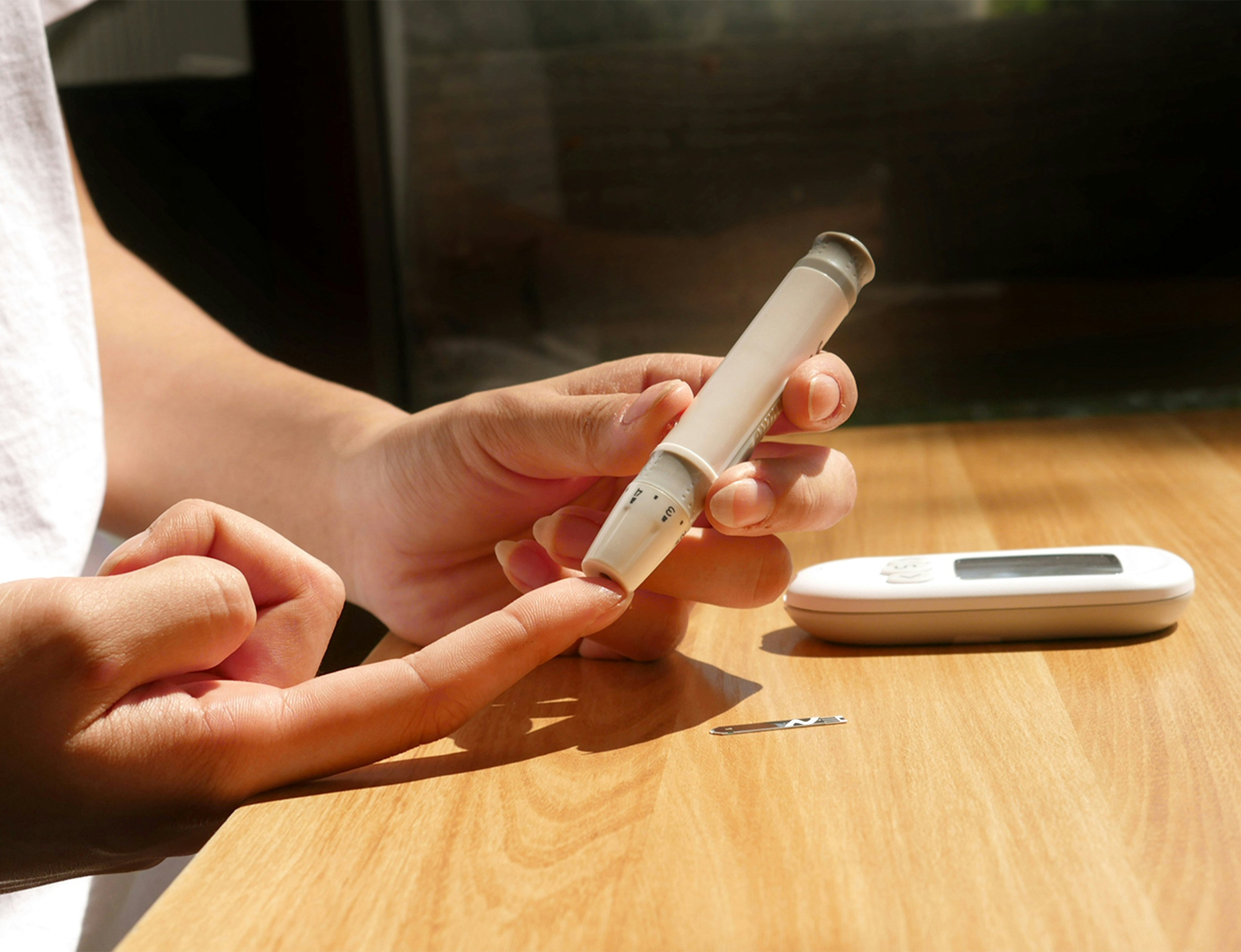
Diabetes is one of the most common chronic health conditions — and also one of the easiest to miss in its early stages, because symptoms can be subtle, gradual, or absent altogether for years. By the time some people are diagnosed, the condition has already been present long enough to begin affecting the eyes, kidneys, nerves, or heart. Recognising the early warning signs, understanding your personal risk factors, and knowing which tests confirm a diagnosis are the best tools you have to catch it early, when it's most manageable.
Type 1, Type 2, and gestational diabetes — what's the difference?
Not all diabetes is the same, and understanding the type helps explain why symptoms and screening approaches differ:
- Type 1 diabetes — an autoimmune condition where the body stops producing insulin, usually diagnosed in childhood or young adulthood, with symptoms that tend to appear suddenly and severely
- Type 2 diabetes — the most common form, where the body becomes resistant to insulin or doesn't produce enough of it, typically developing gradually over years and strongly linked to lifestyle and genetic risk factors
- Gestational diabetes — develops during pregnancy and usually resolves after delivery, but increases the mother's future risk of type 2 diabetes and requires monitoring
This article focuses mainly on the early signs of type 2 diabetes, since it's the most common form and the one most likely to go unnoticed for a long period.
Early symptoms to watch for
- Increased thirst that doesn't go away, even after drinking water
- Frequent urination, including waking up at night to urinate
- Persistent fatigue despite adequate rest
- Unexplained weight loss, even without dieting
- Increased hunger, especially soon after eating
- Blurred vision
- Slow-healing cuts or sores
- Frequent infections (skin, gum, or urinary)
- Tingling or numbness in hands or feet
- Darkened skin patches, often around the neck or armpits — linked to insulin resistance
Many people with prediabetes or early type 2 diabetes have no symptoms at all — that's precisely why risk-based screening matters even if you feel fine.
Who is at higher risk?
- Family history of diabetes
- Being overweight, particularly with abdominal fat
- Sedentary lifestyle with little physical activity
- Age over 40 (risk increases further with age)
- History of gestational diabetes
- High blood pressure or abnormal cholesterol levels
- Polycystic ovary syndrome (PCOS)
- A history of prediabetes on previous tests
Tests that confirm a diagnosis
| Test | What it measures |
|---|---|
| Fasting Blood Sugar (FBS) | Blood glucose after an 8–12 hour fast |
| Postprandial Blood Sugar (PPBS) | Blood glucose ~2 hours after eating |
| HbA1c | Average blood sugar over the past ~2–3 months (no fasting needed) |
| Oral Glucose Tolerance Test (OGTT) | Blood glucose response after a measured glucose drink |
General diagnostic thresholds
These are general reference thresholds used by doctors — a diagnosis is confirmed on repeat testing, not a single reading, and always requires clinical interpretation.
| Category | Fasting sugar | HbA1c |
|---|---|---|
| Normal | Below 100 mg/dL | Below 5.7% |
| Prediabetes | 100 – 125 mg/dL | 5.7% – 6.4% |
| Diabetes | 126 mg/dL or higher | 6.5% or higher |
Why early detection matters
Catching prediabetes or early diabetes gives you the best chance to manage it through lifestyle changes and, if needed, early treatment — reducing the long-term risk of complications. Left unmanaged over years, high blood sugar can gradually damage:
- Eyes — diabetic retinopathy, a leading cause of preventable vision loss
- Kidneys — diabetic nephropathy, which can progress to kidney disease
- Nerves — peripheral neuropathy, causing tingling, numbness, or pain, usually starting in the feet
- Heart and blood vessels — increased risk of heart attack and stroke
The encouraging part is that most of these complications are preventable or significantly delayed with early diagnosis and consistent management.
Prevention and risk reduction
For people with prediabetes or elevated risk factors, general lifestyle measures widely recommended by doctors include:
- Maintaining a healthy body weight, or working toward gradual, sustainable weight loss if overweight
- Regular physical activity — even brisk walking most days of the week has a meaningful impact
- Choosing whole grains, vegetables, and fiber-rich foods over refined carbohydrates and sugary drinks
- Routine blood sugar screening if you fall into a higher-risk group, rather than waiting for symptoms
- Managing related conditions like high blood pressure and cholesterol, which often occur alongside diabetes risk
These are general wellness measures — your doctor can help design a plan suited to your specific health profile, especially if you've already been flagged as prediabetic.
How diabetes symptoms can progress over time
In the earliest stage — often prediabetes — there may be no noticeable symptoms at all, which is why screening based on risk factors matters more than waiting to "feel" something wrong. As blood sugar levels rise further and remain uncontrolled over months or years, symptoms like increased thirst, frequent urination, and fatigue tend to become more noticeable. Left unaddressed for longer periods, complications such as blurred vision, slow-healing wounds, and nerve-related tingling can emerge, signalling that sustained high blood sugar has begun affecting blood vessels and nerves. This progression is precisely why doctors emphasise catching the condition at the prediabetes or early-diabetes stage, well before these later symptoms appear.
Living with prediabetes
A prediabetes diagnosis can feel alarming, but it's best understood as an early warning rather than an inevitability. Unlike diabetes itself, prediabetes is often reversible with sustained lifestyle changes — many people who commit to regular activity and dietary adjustments bring their blood sugar back into the normal range and avoid progressing to full diabetes. Regular follow-up testing (typically annually, or as advised by your doctor) helps track whether those changes are working.
If you're experiencing several of these symptoms together, especially increased thirst, frequent urination, and unexplained fatigue, speak to a doctor promptly rather than waiting for your next routine checkup.
Monitoring after a diagnosis
If you are diagnosed with prediabetes or diabetes, testing doesn't stop there — it becomes an ongoing part of managing the condition well. Doctors typically recommend periodic HbA1c testing (often every 3 to 6 months, depending on how well-controlled your levels are) to track your average blood sugar over time, alongside regular fasting or postprandial checks at home or at a lab. Many people also benefit from periodic kidney function, lipid profile, and eye examinations, since diabetes management is as much about protecting other organs as it is about the blood sugar number itself. Consistent monitoring, combined with the lifestyle measures above and any medication your doctor prescribes, is what keeps long-term complications at bay.
Conclusion
Diabetes rarely announces itself loudly in its early stages — which is exactly what makes awareness and routine screening so valuable. Whether you're noticing early symptoms, fall into a higher-risk category, or simply haven't had your blood sugar checked in a while, a simple fasting blood sugar and HbA1c test can provide clarity in a single visit. Early detection doesn't just catch the condition sooner — it opens the door to genuinely reversing or significantly delaying its progression through manageable lifestyle changes.